
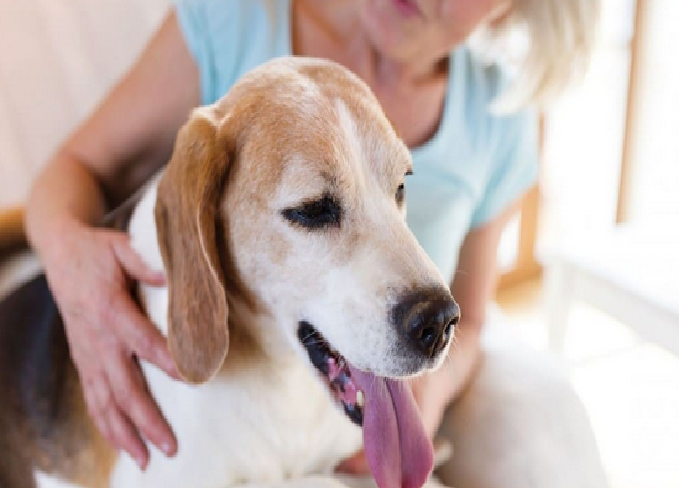
As pets age, their healthcare needs shift from routine preventive care to more frequent monitoring, diagnostics, and treatment for chronic conditions. Choosing pet insurance for a senior dog or cat isn’t just about finding the cheapest policy — it’s about finding the plan that gives you financial predictability, covers the conditions your older pet is most likely to face, and fits your values for care. This guide walks you through everything you need to know: how senior pet insurance differs from standard plans, what to look for in coverage, common exclusions and fine print traps, alternatives to traditional insurance, and practical tips for making the best decision for your companion.
Why senior pets need different insurance thinking
Senior pets are more likely to develop chronic diseases (arthritis, dental disease, diabetes, kidney disease, heart disease), need more diagnostic testing (blood work, x-rays, ultrasound), and require long-term medications or special diets. Because of this, insurers treat older animals differently: premiums may be higher, certain conditions may be excluded if they existed before coverage began, and some companies impose age cutoffs for enrolling new pets. Your goal when choosing a plan should be to minimize surprise exclusions, control ongoing costs, and ensure continuity of care for conditions that emerge as your pet ages.
Key coverage features to prioritize for senior pets
-
Chronic condition coverage and recurrent conditions
-
Confirm that the policy covers chronic and ongoing conditions, not just one-off accidents. Look for clear language about how a condition is treated after the initial year: will it be covered for life, or only for a limited period?
-
Ask whether each new episode of a chronic condition is treated as a continuation of the same condition or as a separate claim.
-
-
Hereditary/congenital condition coverage
-
Some older pets develop issues tied to genetics or breed predisposition. Ensure the policy doesn’t blanket-exclude hereditary conditions — or at least check whether those exclusions apply to your pet’s age and medical history.
-
-
No lifetime or per-condition caps (or high caps)
-
Policies can cap coverage per incident, per year, or for the pet’s lifetime. For seniors who may need repeated care, high or no lifetime caps reduce the chance you’ll hit a limit during a long illness.
-
-
Reasonable deductible and reimbursement structure
-
Deductibles can be annual or per-incident. For pets likely to need frequent treatments, an annual deductible is often better because it is paid once per year rather than for every visit.
-
Reimbursement percentage (e.g., 70%, 80%, 90%) determines how much you get back after paying the vet directly. Higher reimbursement lowers your out-of-pocket, but usually means a higher premium.
-
-
Minimal wait periods for diagnostics and chronic care
-
Insurers commonly impose waiting periods before illness coverage begins. For an older pet with recent minor issues, shorter waiting periods help you access care sooner. Be cautious if the insurer has long or condition-specific waiting periods.
-
-
Prescription medication and specialist coverage
-
Many senior pets require ongoing medications. Check if medications are covered and whether specialist visits (e.g., cardiologists, oncologists) are included or limited.
-
-
Diagnostic testing and imaging
-
Coverage for blood tests, X-rays, ultrasound, and other diagnostics is crucial for geriatric conditions. Some policies restrict advanced imaging or require pre-authorization.
-
-
Dental disease coverage
-
Dental issues are common in older pets. Basic dental care (cleaning, extractions for disease) may be excluded by some insurers; if dental health is a concern, choose a plan that covers dental disease or offers optional dental add-ons.
-
-
Behavioral and mobility support
-
Conditions like cognitive dysfunction or mobility decline may lead to behavioral changes or need for physical therapy and assistive devices. Some plans cover physical therapy and mobility aids, which can significantly improve quality of life.
-
-
Continuity of care if you switch plans
-
If you decide to switch insurers later, find out whether pre-existing or ongoing conditions will be excluded by the new plan. Continuity clauses vary widely.
What counts as a pre-existing condition?
Pre-existing conditions are illnesses, injuries, or symptoms that occurred before coverage started. Insurers often exclude these. For seniors this is the most common reason claims are denied. There are two important distinctions:
-
Manifested pre-existing condition: A condition for which symptoms, diagnosis, or treatment occurred before the policy start date. This is almost always excluded.
-
Lapsed pre-existing vs. cured: Some insurers will cover a pre-existing condition after a waiting period if your pet shows no symptoms for a set time (e.g., 6–12 months). Others never cover pre-existing conditions.
When applying, disclose all known health issues. Failure to disclose can void coverage. If your senior pet had a minor, resolved issue years ago, ask the insurer how they would categorize it — and get any important explanations in writing.
Cost expectations and how age affects premiums
Premiums generally increase with your pet’s age. Other key factors that influence cost include breed, location, deductible, reimbursement level, and whether the policy includes wellness care. For senior pets:
-
Expect higher base premiums compared to insuring a young pet.
-
Annual deductibles and per-incident deductibles will affect monthly or annual cost — choose the structure that balances affordability and frequency of claims.
-
Consider whether the higher premium for a plan with comprehensive chronic disease coverage is worth the predictable monthly cost versus paying out-of-pocket as problems arise.
A practical approach: run the numbers for typical chronic conditions your pet is at risk for. Estimate annual bills (vet visits, medications, diagnostics) and compare to annual premiums plus deductible. This will tell you whether insurance is likely to save money or primarily provide peace of mind.
Common exclusions and red flags in policy language
-
Pre-existing condition exclusions — universal but defined differently; watch the fine print.
-
Breed or condition exclusions added after enrollment — be wary of insurers that reserve the right to change terms unfavorably.
-
Per-condition waiting periods — some providers exclude coverage for a specific condition for an extended period after a claim.
-
Unclear lifetime caps — avoid plans with low lifetime caps that a chronic illness could quickly exhaust.
-
Ambiguous definitions — terms like “routine,” “preventive,” “chronic,” and “congenital” should be clearly defined. If not, ask for clarification.
-
High co-pays or per-visit fees — these can erode the benefit of coverage for frequent visits.
-
No coverage for alternative therapies — physical therapy, acupuncture, and hydrotherapy can be important for seniors; check whether these are covered.
Always request a sample policy or full policy wording before buying and read the exclusions section carefully.
Alternatives and complements to insurance
If a traditional insurance policy isn’t a good fit for your senior pet, consider:
-
Wellness plans — pay a monthly fee for routine care (vaccines, dental scaling, annual bloodwork). These are not substitutes for insurance but can lower routine costs.
-
Pet health savings account — set aside a monthly amount into a dedicated savings account earmarked for pet care. This gives control but no external risk pooling.
-
Care credit or financing — short-term credit options can help with big bills, but interest and eligibility are considerations.
-
Discount plans or membership clinics — community clinics and membership plans may offer reduced prices for routine care.
Many owners use a hybrid approach: a core insurance policy for major illnesses and accidents plus savings or a wellness plan for routine and chronic predictable expenses.
Practical steps to choose the right policy
-
Inventory your pet’s health history
-
List prior diagnoses, medications, surgeries, and any symptoms seen in the last two years. This will determine what’s considered pre-existing.
-
-
Decide what you must have vs. nice-to-have
-
Is lifetime chronic coverage essential? Do you need dental? Are you comfortable with an annual deductible? Rank priorities.
-
-
Compare apples to apples
-
When getting quotes, standardize deductible type (annual vs. per incident), reimbursement level, and whether wellness is included.
-
-
Request full policy documents
-
Don’t rely on summaries or marketing pages. Read the policy wording for exclusions, caps, and waiting periods.
-
-
Check claim process and turnaround time
-
Speed and simplicity matter during stressful veterinary emergencies. Look for companies with electronic claims and fast reimbursement.
-
-
Test customer service
-
Call with specific hypothetical questions. Are they clear? Helpful? Transparent?
-
-
Ask about age limits and renewal policies
-
Some insurers stop covering pets after a certain age, or they may raise premiums steeply at renewal. Confirm lifetime renewability terms.
-
-
Look for continuity clauses
-
If you later switch policies, will a pre-existing condition declared under this policy still be excluded by the new one? Understand the consequences of switching.
-
-
Check for discount opportunities
-
Multi-pet discounts, annual payment discounts, or military discounts can meaningfully lower cost.
-
How to file successful claims (and avoid denials)
-
Document everything — keep detailed records, receipts, and vet notes.
-
Get formal diagnoses — insurers are likelier to approve claims with clear diagnostic notes and test results.
-
Follow the policy’s claim submission process — some require itemized invoices or specific claim forms.
-
Ask your vet for help — many clinics can submit claims directly or can provide clarifying documentation.
-
Appeal thoughtfully — if a claim is denied, read the denial, gather documentation, and appeal with a clear timeline and evidence.
When insurance makes most sense (and when it might not)
Insurance is most valuable when it prevents financial ruin during a significant illness — cancer, kidney failure, heart disease — or when it covers expensive diagnostics and specialist care that you would want but might struggle to afford. For otherwise healthy seniors without notable risk factors, a high-deductible policy combined with a savings buffer might be more economical. The right choice depends on your pet’s health history, your financial situation, and how you would handle large medical bills if they occurred.
Checklist before you buy
-
Read full policy wording and exclusions.
-
Confirm how pre-existing conditions are defined.
-
Verify whether chronic conditions are covered for life.
-
Clarify deductible type (annual vs per-incident) and choose what suits your expected claim frequency.
-
Check for annual and lifetime caps.
-
Ensure prescription drugs, diagnostics, and specialist visits are covered if needed.
-
Ask about emergency and hospitalization coverage.
-
Confirm renewal terms and whether premiums can be increased based on age or claims.
-
Test customer service responsiveness.
-
Compare total annual cost: premium + expected out-of-pocket vs. predicted annual vet costs without insurance.
Frequently asked questions
Q: Will an insurer cover a condition my pet had last year?
A: Usually not. If the condition manifested before coverage started — symptoms, diagnosis, or treatment — it’s typically considered pre-existing and excluded. Some insurers will cover previously manifested conditions if the pet has been symptom-free for a set period, but this is rare for seniors.
Q: Can I add a senior pet to a plan even if they have existing conditions?
A: Some insurers will allow enrollment but will exclude those existing conditions going forward. Others may deny enrollment for pets with significant medical histories. Always disclose everything and get any promises in writing.
Q: Should I get a plan with a low deductible or a high reimbursement rate?
A: For frequently treated seniors, an annual (not per-incident) deductible with a high reimbursement percentage often reduces total annual out-of-pocket costs. Balance higher premiums against the protection you want.
Q: Does insurance cover euthanasia or end-of-life care?
A: Policies vary. Some include partial coverage for euthanasia and palliative medications; others exclude end-of-life care. If this is important, confirm it explicitly.
Final thoughts
Choosing pet insurance for a senior pet requires careful reading, realistic cost modeling, and a clear understanding of your pet’s medical history. The “best” policy isn’t always the most expensive or the one with the fanciest marketing — it’s the one that matches your senior pet’s likely needs, offers transparent terms about chronic and pre-existing conditions, provides predictable out-of-pocket costs, and gives you peace of mind when tough decisions arise. Take the time to compare policies side-by-side, speak directly with insurers about specific scenarios, and involve your veterinarian in the conversation. With the right plan in place, you can focus on what matters most: keeping your older companion comfortable, healthy, and loved.